
Contact us
For 24/7 customer assistance or if new business enquiries, contact us at the below.
+8469532302
enquiries@terrasafe.co.za
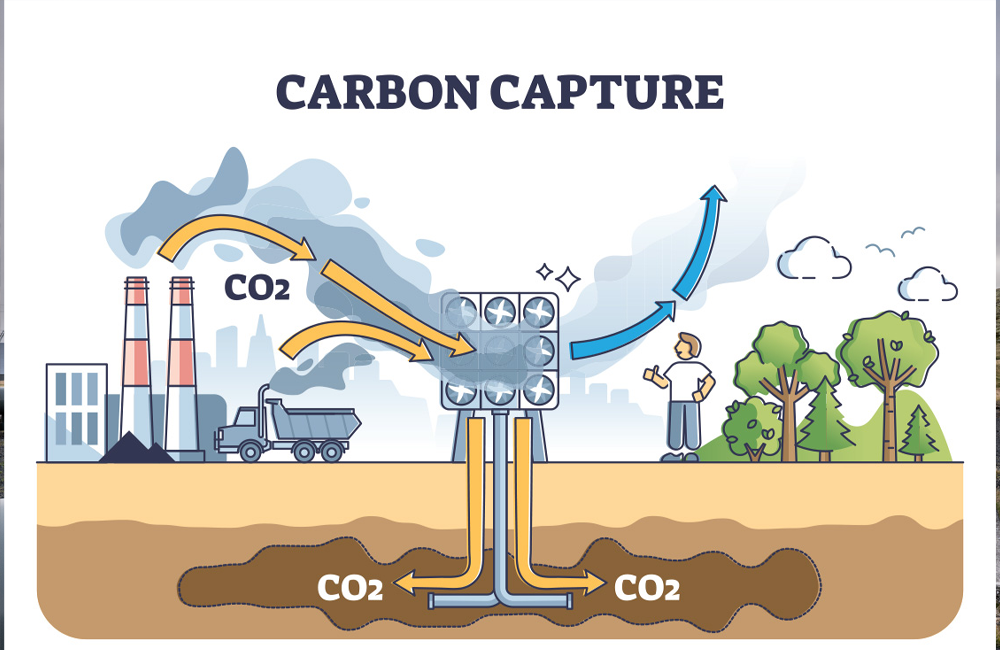
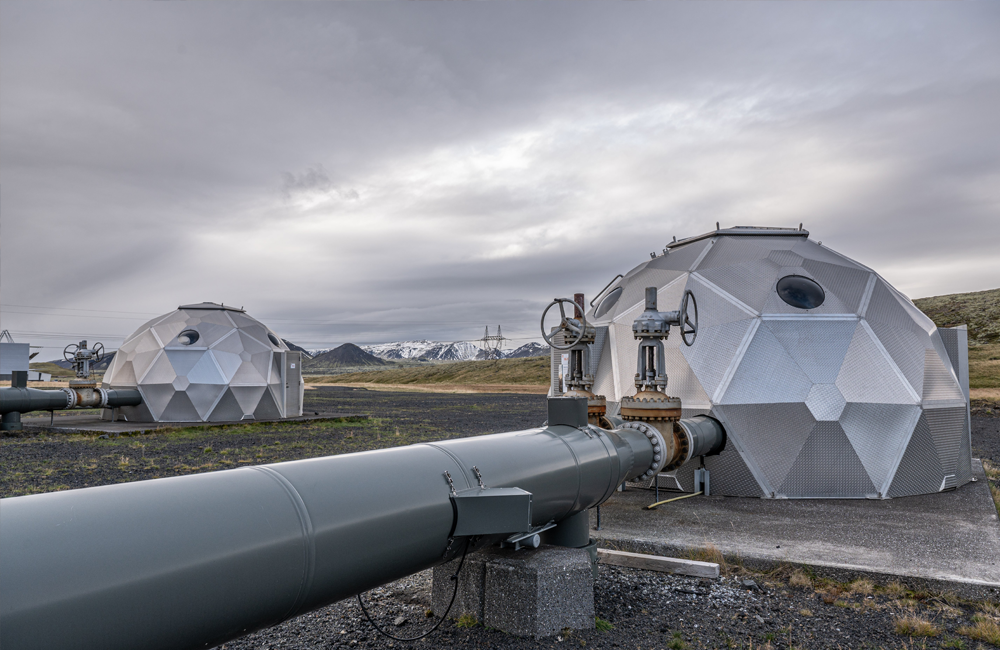
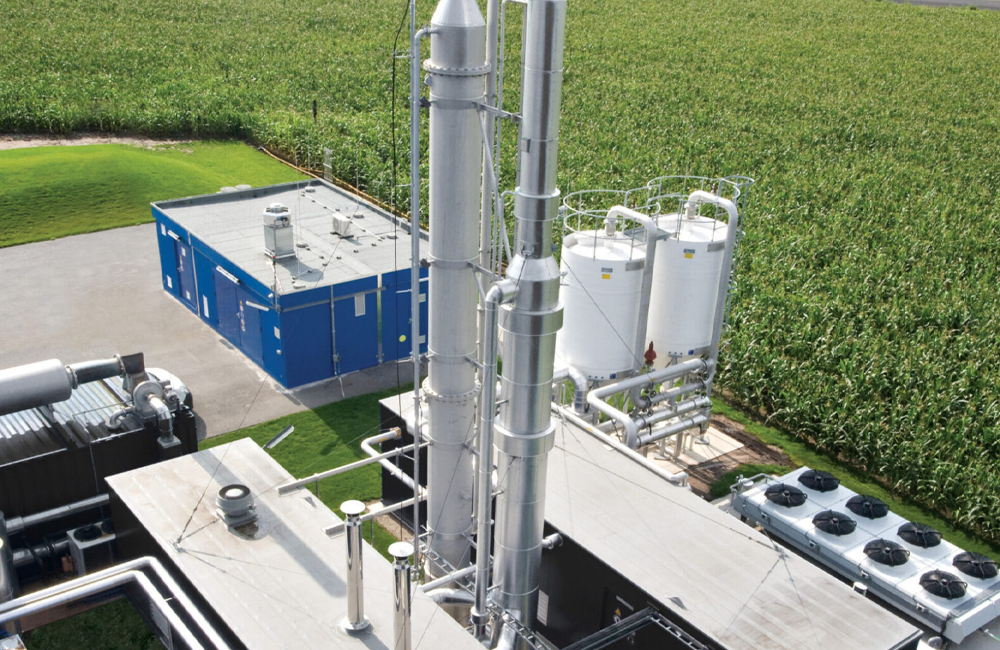
TerraSafe’s research and development efforts in carbon capture focus on advancing nanomaterials technology to enhance the efficiency and effectiveness of carbon capture processes. By advancing nanomaterials technology for carbon capture, TerraSafe aims to develop cost-effective and environmentally sustainable solutions for mitigating carbon emissions and combating climate change.
Key areas of research and development include
Nanomaterials Synthesis for Carbon Capture
Our engineers specialise in the synthesis of novel nanomaterials tailored specifically for carbon capture applications. These materials, ranging from porous carbon-based structures to functionalised nanoparticles, are designed with optimised properties to selectively capture carbon dioxide from flue gases and industrial emissions. In tandem, our researchers explore various capture mechanisms, including adsorption, absorption, and chemical reactions, to enhance efficiency and selectivity.
Nanomaterial Synthesis
TerraSafe engineers develop novel nanomaterials with tailored properties optimized for carbon capture applications. These materials may include porous carbon-based structures, metal-organic frameworks, or functionalized nanoparticles designed to selectively capture carbon dioxide from flue gases or industrial emissions.
Process Integration
TerraSafe engineers work to integrate carbon capture technologies into existing industrial processes, such as power generation, cement production, or oil refining. This may involve retrofitting existing infrastructure or designing new processes to accommodate carbon capture equipment and ensure seamless operation.
Capture Mechanisms
Researchers investigate various capture mechanisms, such as adsorption, absorption, and chemical reactions, to optimize carbon capture efficiency and selectivity. This involves studying the kinetics and thermodynamics of carbon dioxide capture processes and identifying strategies to enhance capture capacity and regeneration performance.
Life Cycle Analysis
Ecological considerations are integral to TerraSafe's carbon capture research and development efforts. Engineers conduct life cycle assessments to evaluate the environmental impact of carbon capture technologies, including energy consumption, resource utilisation, and potential environmental risks associated with nanomaterials synthesis and deployment.
We focus on seamlessly integrating carbon capture technologies into existing industrial processes such as power generation, cement production, and oil refining through process integration. Lastly, our commitment to ecological sustainability is demonstrated through comprehensive life cycle analyses, evaluating the environmental impact of carbon capture technologies from synthesis to deployment. Through these concerted efforts, TerraSafe is driving innovation in carbon capture technology to address the urgent challenge of climate change while ensuring environmental stewardship.
How Carbon Capture Nanomaterials lesson ecological harm
Climate Change Mitigation: Carbon capture technologies play a crucial role in mitigating climate change by reducing greenhouse gas emissions. By capturing and sequestering carbon dioxide, these technologies help prevent its release into the atmosphere, where it contributes to global warming and climate disruption.
Protection of Ecosystems: Reducing carbon emissions through capture and storage helps protect vulnerable ecosystems from the impacts of climate change, such as sea-level rise, extreme weather events, and habitat loss. This preservation of ecosystems supports biodiversity and ecological resilience.
Air Quality Improvement: Carbon capture technologies help improve air quality by reducing the release of pollutants associated with fossil fuel combustion. This can lead to better health outcomes for humans and wildlife, particularly in regions with high levels of air pollution.
Promotion of Sustainable Development: By investing in carbon capture technologies, companies contribute to the transition to a low-carbon economy and support sustainable development goals. These technologies facilitate the decoupling of economic growth from carbon emissions, fostering a more resilient and equitable society.